How to map a target account for warm introductions

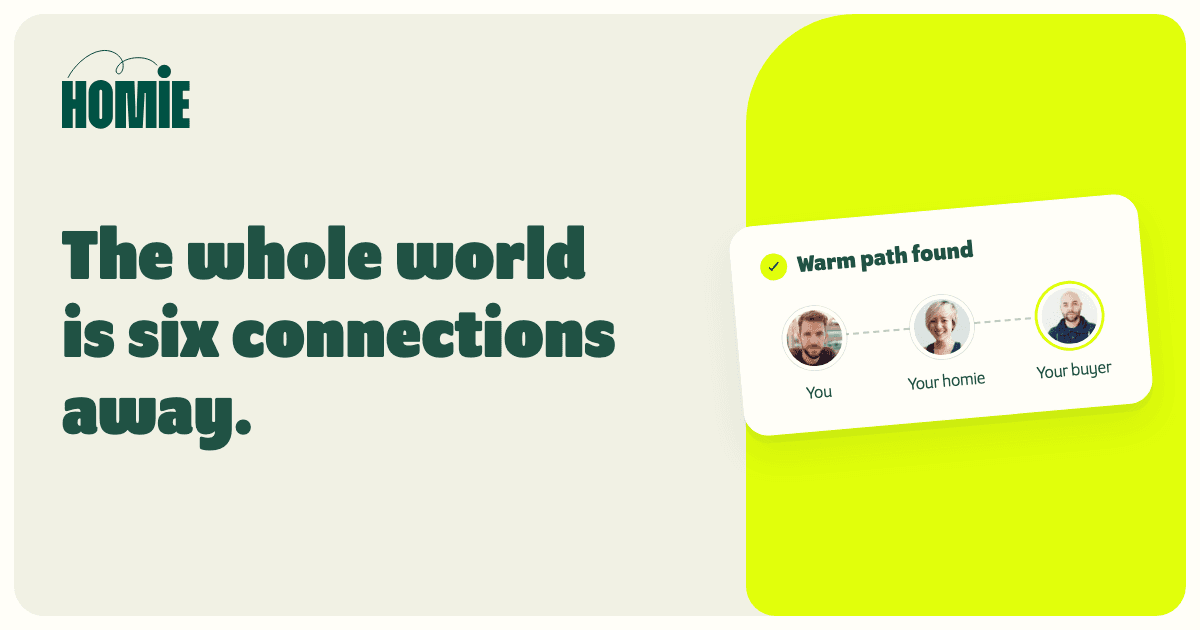
Account mapping identifies the people involved in a target account and the relationships that could help you reach them. For warm introductions, the map needs to connect a relevant buyer with a real introducer, not just fill a chart with names and job titles.
Start with the person you need to speak with and work backward to who knows them.
What should you put on an account map?
A useful sales account map separates what you know about the buying group from what you know about your routes into it. A contact's seniority doesn't prove they own the problem, and a mutual connection doesn't prove an introduction is appropriate.
Keep these fields together:
| Field | What to record |
|---|---|
| Target account and person | Company, current role and the problem you want to discuss |
| Buying role | What you know about their involvement; mark uncertain roles as unknown |
| Connection owner | The teammate, customer, partner or advocate who knows them |
| Relationship evidence | Shared history, recent contact and anything the connection owner confirms |
| Next step and owner | Who will check the path, make the request and record the outcome |
You can start in a spreadsheet or your CRM. The important part is keeping the evidence beside the proposed action, so another rep doesn't mistake a possible path for a confirmed relationship.
Is this the same as partner account mapping?
Partner account mapping often compares two companies' customer and prospect lists to find overlap. That can help teams plan joint sales activity, but it doesn't necessarily identify a person willing to introduce you to a buyer.
An organization chart serves another purpose: it shows reporting lines or a buying group inside an account. Neither overlap nor hierarchy tells you how well your teammate knows the person you want to meet.
Homie's platform focuses on shared networks, relationship context and introduction requests. Use it for the warm paths into your account; keep your buying-group research and partner planning in the tools where you maintain that information.
Choose the conversation before choosing the contact
Suppose you sell reporting software and want to understand how a SaaS company handles revenue reporting. A RevOps leader may be relevant, while a senior executive with no responsibility for that work may be the wrong first conversation.
Record why the role fits and what you still need to confirm. If you don't know who owns the problem, ask a contact for guidance rather than request a meeting with the most senior person you can find.
That makes an introduction easier to evaluate: your connection can decide whether the person you named would recognize the problem and want the conversation.
Find the warm paths, then verify them
Search your own contacts and the shared relationships available through your team. In Homie, target lists help focus network discovery on the companies you want to reach.
For each possible path, review the relationship evidence. Shared employment could mean close collaboration or simply working for the same company; a current connection may have a stronger basis than a former coworker neither person has spoken to in years.
Ask the connection owner a direct question: “Did you work closely with this person, and would you feel comfortable asking whether they're open to a conversation?” Their answer matters more than a neat line on the map.
If you need help interpreting the signals, the relationship-intelligence guide explains what software can show and what still needs human confirmation.
A worked example
Imagine a rep wants to meet the RevOps lead at a target company. A teammate appears to have worked with them before, and a current customer also knows someone else on the buying team.
| Possible route | What to check | Next action |
|---|---|---|
| Teammate → RevOps lead | Did they work together, and have they stayed in touch? | Ask the teammate to confirm before drafting a request |
| Customer → another buyer | Does the customer know them well, and is the customer relationship healthy? | Ask the customer account owner whether raising it makes sense |
| No confirmed relationship | Is the target role still right for the conversation? | Use another outreach route; keep the relationship status unknown |
The map helps the rep choose an action, but it doesn't tell them to ask everyone at once. Start with the credible route that creates the least pressure on the people involved.
Turn a confirmed path into a specific ask
Give the introducer the person's name, a clear reason to connect and a short note they can forward. Ask whether they're comfortable making the introduction, without asking them to endorse claims they can't verify.
Use the warm introduction email examples as starting points, then write the details for this relationship. For a customer path, let the account owner decide when and how to raise the request.
If someone declines, record that decision and respect it. Trying another route immediately can put pressure on the same buyer or make it look as though you ignored the first answer.
Keep the map useful after the first request
People change jobs, account priorities shift and relationships go quiet. Update the target's role and the confirmed relationship context when you learn something new; keep uncertain information separate from facts.
Record who owns the next step so multiple reps don't approach the same introducer independently. Track the request and its outcome alongside the account's existing sales activity, using CRM integrations where appropriate.
The map has done its job when it helps your team make a relevant, respectful next move. It doesn't need to show a warm path to every account.