What is relationship intelligence in B2B sales?

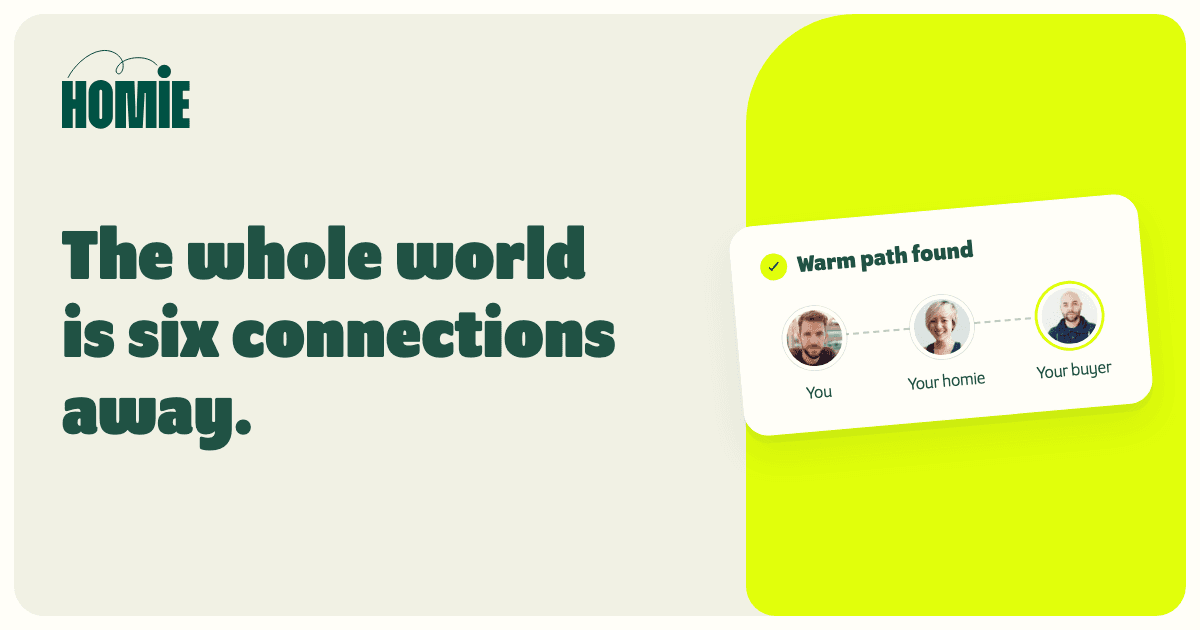
Relationship intelligence helps a sales team understand who knows a buyer and what makes that connection worth asking about. It combines contact information with relationship history, so a rep can choose a credible route into an account rather than treat every mutual connection as equally useful.
The practical question is simple: can someone who already knows this person help us start a relevant conversation?
What does relationship intelligence software do?
A relationship intelligence platform brings connections and the evidence behind them into a searchable view. Depending on the product and the accounts people connect, that evidence can include shared employment, education, email activity, meetings and CRM context.
For B2B sales, the useful output is a path: a target person, someone who knows them, and enough context to decide whether to ask for an introduction. A list of names alone doesn't answer that last question.
Suppose a rep wants to speak with a RevOps leader about a reporting problem. Someone on the rep's team worked with that leader at a previous company. The shared history gives the rep a reason to ask their teammate about the relationship; it doesn't give them permission to claim an endorsement or send a message in the teammate's name.
How is it different from a CRM or sales intelligence database?
These tools answer related questions, but they serve different parts of a sales workflow.
| Tool | Main question | Useful output |
|---|---|---|
| CRM | What has our company done with this account? | Contact records, owners, activity and deal progress |
| Sales intelligence database | Which companies and people fit our criteria? | Account and contact information for prospecting |
| Relationship intelligence software | Who knows this person, and how well? | Connections, relationship context and possible introduction paths |
| Account map | Who is involved in this purchase? | People, roles and known gaps in the buying group |
A CRM can contain relationship information, and some products cover more than one of these jobs. Evaluate the actual workflow rather than assume the category name tells you everything.
Homie's platform focuses on finding warm paths through a shared network and helping a team turn a suitable path into an introduction request. It works alongside the CRM; a relationship signal doesn't replace account ownership or deal context.
Which signals make a relationship useful for sales?
Shared employment can explain why two people know each other. Email and meeting history can add evidence that they have stayed in contact. Neither proves that they would welcome an introduction today.
Read the evidence behind a score. If two people worked at the same large company a decade ago, check whether they actually worked together. If their last meaningful contact was recent, ask the connection owner what the relationship is like now.
A relationship score is a way to prioritize that review, not a probability that someone will agree to meet. Software can't know every disagreement, change of role or private circumstance that affects a person's willingness to help.
How should a rep use it on a target account?
Start with an account that fits your sales criteria and a person whose role matches the conversation you want to have. You need a reason for the buyer to care before looking for someone to introduce you.
Then work through the path:
- Find the connection owner. Look beyond the rep's own contacts to the team's shared network and the customer or partner relationships available to them.
- Check the evidence. Review the shared history and recent contact, then confirm the relationship with the person who owns it.
- Ask for permission. Explain who you want to meet and why the conversation could be relevant. Make declining easy.
- Record the next step. Track whether the request was made, accepted or declined, and keep the account owner informed.
If a customer holds the relationship, involve their account owner first. A promising prospect doesn't justify interrupting a sensitive customer relationship.
The account-mapping guide shows how to keep the buyer, introducer and account context together. Once a path looks suitable, use the introduction request examples to write a specific ask.
What should you check before choosing a platform?
Test it with a small set of real target accounts you already understand. Include an account with a known connection and one where you expect no useful path; a tool should handle both honestly.
Ask the vendor to show which data creates each relationship, how a rep checks the underlying evidence, and what happens after the rep finds a path. Check how network sharing and integrations work for the people who will use it, including whether those people control the accounts they connect.
Then follow one request through the workflow. Who reviews the message? How does the team record a decline? Can the account owner see what happened without a second round of manual notes?
The platform-selection guide covers pricing and customer references. Those checks matter as much as finding the first impressive connection in a demo.
How do you measure whether it helps?
Count the paths that lead to a sensible next step, not the number of connections the product imports. Keep track of confirmed relationships, introduction requests, accepted introductions and relevant meetings, with account ownership and source recorded consistently.
Don't treat every meeting after adoption as evidence that the tool caused it. Compare the workflow with your previous process and ask reps where it saved work or surfaced a connection they would have missed.
Can relationship intelligence replace cold outreach?
Some accounts won't have a useful warm path. Relationship intelligence helps a team decide where an introduction is realistic; it doesn't create a relationship where none exists.
Use another route when the fit is good but the network has no credible connection. When a path does exist, Homie helps you assess it and prepare the ask while leaving the decision with the people involved.